Selecting the right prophy powder is a fundamental decision that impacts clinical outcomes, patient safety, and treatment costs. Yet many clinicians default to a single powder without considering the specific demands of different clinical scenarios. This guide provides a structured decision tree to optimize powder selection across the most common situations.
The Core Decision Framework
The choice of prophy powder hinges on several key variables: the location and type of biofilm to be removed, the presence of implants or orthodontic appliances, patient sensory tolerance, and tissue health. By answering a series of targeted questions, you can navigate to the optimal powder choice with confidence.
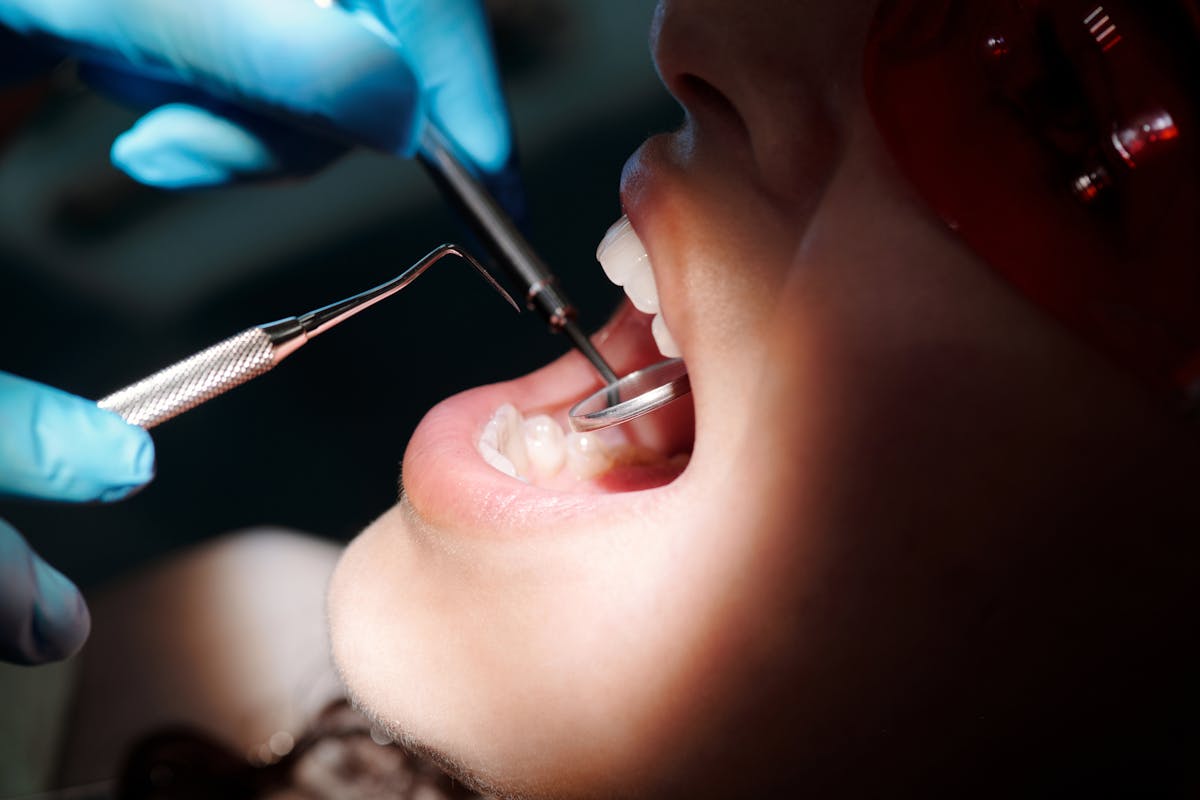
Photo: Cedric Fauntleroy / Pexels
Prophy Powder Profiles
Sodium Bicarbonate
The most economical choice for supragingival stain removal. Particles typically range from 100–150µm, providing effective cutting action. Key limitations: high sodium content (contraindicated for some medical conditions), higher abrasivity risk to restorations, and potential airway irritation in some patients. Best reserved for routine extrinsic stain on natural teeth with healthy gingiva.
Glycine
An amino acid-based powder with minimal abrasivity. Ultra-fine formulations (≤25µm) make glycine excellent for subgingival biofilm removal and implant maintenance. More expensive than sodium bicarbonate but safer for sensitive tissues, orthodontically-bracketed teeth, and around implants. Some studies suggest glycine may reduce gingival inflammation more than other powders.
Erythritol
A sugar alcohol derivative offering a middle ground: more abrasive than glycine but gentler than sodium bicarbonate. Available in fine formulations (≤25µm), erythritol is ideal for subgingival work, implant patients, and sensitive individuals. Slightly higher cost than glycine but comparable efficacy. Excellent safety profile with minimal toxicity risk.
Comparative Overview
| Powder Type | Particle Size | Abrasivity | Cost/Treatment | Best Use Case |
|---|---|---|---|---|
| Sodium Bicarbonate | 100–150µm | High | $0.08–$0.12 | Supragingival stain, routine cleaning |
| Glycine | ≤25µm | Very Low | $0.20–$0.30 | Subgingival biofilm, implants, sensitive gingiva |
| Erythritol | ≤25µm | Low | $0.22–$0.35 | Subgingival biofilm, implants, sensitive patients |
Brand Overview (Alphabetical)
Acteon
Offers sodium bicarbonate formulations primarily for supragingival use. Competitive pricing with reliable particle size consistency. Limited subgingival offerings.
EMS
Known for glycine-based powders (AIRflow, AIRflow Prophylaxis Master). Strong focus on subgingival biofilm removal and implant safety. Established track record in European markets.
Mectron
Provides erythritol and glycine powders with fine particle distributions. Good safety profiles and competitive pricing within the premium segment. Wide international availability.
NSK
Offers sodium bicarbonate and specialty powders. Known for high-quality abrasive consistency. Good for practitioners seeking controlled supragingival cleaning.
Safety Considerations
Patient medical history directly influences powder choice. Patients with hypertension or sodium-restricted diets should avoid sodium bicarbonate entirely. Those with respiratory conditions may tolerate erythritol or glycine better due to lower airway irritation potential. Always document powder choice and patient tolerance in the clinical record.
Cost Analysis
While sodium bicarbonate offers the lowest per-treatment cost ($0.08–$0.12), premium powders may deliver better clinical outcomes and patient satisfaction. A typical general practice performing 20 prophylaxis treatments per week invests approximately $160–$240 annually in sodium bicarbonate versus $2,080–$3,640 for exclusive use of erythritol or glycine. The cost differential is modest relative to practice revenue and justifiable for improved safety and outcomes.
Many practices employ a tiered approach: sodium bicarbonate for routine supragingival cleaning in low-risk patients, with premium powders reserved for implant patients, subgingival work, and sensitivity concerns. This balances cost efficiency with clinical judgment.
Conclusion
Prophy powder selection should be systematic, not reflexive. By applying the decision tree presented here—evaluating biofilm location, implant presence, orthodontic status, and patient sensitivity—clinicians can optimize both safety and outcomes. While sodium bicarbonate remains valuable for supragingival stain removal, erythritol and glycine offer clear advantages for subgingival work, implant maintenance, and sensitive patients. Consider establishing a powder protocol within your practice that reflects these principles and your patient demographics.
The incremental investment in appropriate powder selection pays dividends in patient trust, clinical predictability, and long-term implant and restoration durability.